


Boost Your Positivity

No one is happy all the time. Even the most positive people experience moments of sadness. However, there are ways to boost your overall positivity and happiness. Need a few ideas on how to do this? Read on and get ready to start feeling better!

  • Practice Gratitude Daily: A little gratitude can go a long way. When you take the time to appreciate the good things in your life, you start to see the world in a more positive light. Not only that, but expressing gratitude has been linked to a host of benefits, including improved physical health, better sleep, and increased levels of happiness and satisfaction. 
    • If you’re looking for a way to boost your positivity, try incorporating some of these gratitude practices into your daily routine. First, start each day by brainstorming a few things you’re grateful for. This could be anything from the sun shining to your favorite coffee mug. Then, throughout the day, make it a point to express thanks when something good happens, whether it’s a colleague holding the door open for you or a friend offering to help with a project. Finally, end each day by reflecting on three things that went well. Not only will this help you fall asleep with a sense of contentment, but it will also leave you feeling ready to tackle whatever comes your way tomorrow. 
  • Laugh…As Much As Possible: Laughing feels good. It is a form of positive physical activity that releases endorphins, which have mood-boosting effects. Laughter also increases the level of oxygen in the blood and relaxes the body, both of which can improve your sense of well-being. In addition, laughter is contagious, so spending time with people who make you laugh can also lead to increased positivity. Furthermore, taking the time to laugh at yourself can help to foster a more positive outlook on life. By learning to laugh at your own mistakes and difficulties, you can start to see the funny side of even the most challenging situations. So next time you’re feeling down, try watching a funny movie, hanging out with friends who make you laugh, or simply take a few minutes to chuckle at yourself in the mirror. Laughing may not solve all your problems, but it can certainly help to boost your positivity and improve your overall outlook on life.
  • Surround Yourself With Positive People: The people we choose to surround ourselves with have a big impact on our overall outlook on life. If we associate mainly with positive, upbeat people, we’re likely to find ourselves feeling more positive and optimistic as well. On the other hand, spending time with negative, pessimistic people can bring us down and make us feel less hopeful about the future. So if you’re looking to boost your own positivity, it’s essential to seek out positive role models and friends who will support and encourage you. Spend time with people who make you feel good about yourself and help you see the best in yourself. 
  • Look to the Future: It’s easy to get caught up in the day-to-day and forget about the future. But if you want to be more positive, it’s important to take some time to reflect on your long-term goals. Think about what you want to accomplish in the next five years or even further down the road. What kind of person do you want to be? What kind of life do you want to lead? Visualizing yourself achieving your goals can be a powerful way to stay motivated and keep your chin up when things are tough. And even if your plans don’t come to fruition exactly as you imagined, simply having a positive outlook on the future can improve your overall outlook on life. So go ahead and daydream about that promotion, that trip around the world, or whatever else is calling your name—you might just find that looking ahead is the best way to stay positive in the present.

Positivity is key to a successful life. And, as always, you have the power to choose your attitude. With practice, you can increase your positive emotions while decreasing negative ones. What will you do today to start boosting your positivity?


Create the Ultimate Charcuterie Board

Charcuterie boards are all the rage right now, and for good reason! They are a great way to show off your culinary skills and impress your guests. A well-done charcuterie board can be a work of art. But if you’ve never created one, you may be wondering how to get started. Don’t worry! There are some easy tips and tricks for creating an amazing charcuterie board that will wow your friends and family. Here are some things to consider when putting together this tasty treat. Let’s get started!

  • Know how many people will be eating the charcuterie board: This will help you determine how much food to prepare. Experts recommend 2-3 ounces of charcuterie per person and 1-2 ounces of cheese per person.
  • Pick an appropriate-sized display tray or cutting board: You don’t want your charcuterie board to look cramped – but you also don’t want huge gaps. Choose a tray or cutting board that is large enough to accommodate all of the food you will be putting on it. (You can use wax or parchment paper to plan out where everything will go.)
  • Create a variety of textures and flavors: When selecting meats, cheeses, fruits, and vegetables for your charcuterie board, try to create a mix of different textures and flavors. This will help keep your guests interested and engaged.
  • Consider the seasonality of the ingredients: In-season ingredients will not only taste better, but they will also be more aesthetically pleasing. Seasonal produce is often more colorful, which will make your charcuterie board more visually appealing. Summer may have you adding strawberries, watermelon, and fresh radishes, while in the fall, it might be sliced apples or pears and carrots.
  • Be sure you’ve got some carbs on your board: Bread, crackers, and other carbs are essential for a charcuterie board. They provide a necessary contrast to the richness of the meats and cheeses and help to balance out the flavors.
  • Choose some great accompaniments: In addition to the meats, cheeses, fruits, vegetables, and carbs, you’ll also want to include some tasty accompaniments on your charcuterie board. Some examples include: jams, jellies, honey, nuts, and olives.
  • Arrange your food in an attractive way: This may seem like a no-brainer, but it’s worth mentioning. Be sure to arrange your food in an aesthetically pleasing way. This will make your charcuterie board more inviting and enjoyable to eat.
  • Think about balance when choosing colors: Be sure to include a variety of colors on your board. This will give your guests a variety of options to choose from and make it more visually appealing. Your fruits and vegetables are a great way to add color.
  • Make sure everything is bite-sized or easy to cut: This will make it easy for your guests to eat and enjoy the charcuterie board. No one wants to struggle to cut a piece of meat or cheese with their teeth.
  • Use high-quality meats and cheeses for your charcuterie board: This is not the time to skimp on ingredients! Be sure to use high-quality meats and cheeses for your charcuterie board. This will make a big difference in the taste and overall experience. If you’re not sure what to choose, ask at your local specialty cheese shop for suggestions.

Creating a charcuterie board can be a fun and creative way to impress your guests. Just remember to keep in mind the number of people you are serving, the seasonality of the ingredients, and the overall balance of flavors and colors. With these considerations in mind, you’ll be sure to create a fantastic charcuterie board that everyone will love!

How to Make the Most of Your Balcony

If you’re lucky enough to have a balcony, it’s important to make the most of it! A balcony can provide a great extension of your living space and can be used for many different purposes. Here are some tips on how to make the most of your balcony, as well as some ideas for what you can do with it. Read on for inspiration, and get ready to make the most of your outdoor space!

  • Make the most of your limited space: Since balconies are typically small spaces, it’s essential to make the most of what you have. Be conscious of what you place in this space and make sure it fits. Think about items that serve multiple purposes and make sure it’s weatherproof or that you have room to store them during the winter months.
  • Get creative with your décor: Just because your balcony is small doesn’t mean you can’t get creative with your décor. There are plenty of ways to add personality to your space, so have fun with it! Use bright colors, hang string lights, or add some wall art. The sky’s the limit when it comes to balcony décor, so let your imagination run wild!
  • Ideas for Your Balcony: Now, if you’re ready to turn this space into something you can use – here are a few ideas!
    • Create an entertaining space: One of the best ways to make use of your balcony is to create an outdoor entertaining space. This can be a great spot for summer gatherings with friends or even just a place to relax and enjoy the fresh air. To make your balcony more inviting, try adding some comfortable furniture, string lights, and plants.
    • Use your balcony for container gardening: If you don’t want an entertaining space,  container gardening is a great way to use your balcony. This type of gardening is perfect for small spaces and can give you the opportunity to grow your own flowers, vegetables, and herbs. All you need is a few pots or containers and some soil, and you’re good to go!
    • Create a reading nook: If you’re looking for a relaxing spot to unwind, why not turn your balcony into a reading nook? It’s the perfect place to curl up with a good book and some snacks. Add a comfy chair or sofa and some pillows, and you’ll have yourself a cozy little retreat in no time!
    • How about a Coffee Bar?: Turn your balcony into a coffee bar and enjoy your morning cup of joe in the great outdoors. This is a great way to start your day and can be easily done with just a few simple items. All you need is a small table or shelf, a coffee maker, and some mugs. Don’t forget to add some decorations to make it feel like your own personal café!
    • Use your balcony for storage: If your balcony doesn’t have a lot of space, you can still make use of it by using it for storage. This is especially helpful if you have limited storage. You can buy some storage bins or containers and keep them out of sight on your balcony. This way, you can have extra space for things like seasonal decor or items you don’t use often.

What kind of space would you like to create on your balcony? Whether it be something from this list of ideas or some ideas you’ve been mulling around for a while, now is the time to get started. Soon you can be enjoying your balcony and all it has to offer!

Your A to Z Summer Bucket List

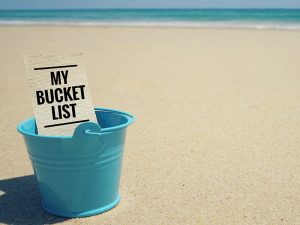
What do you have planned for the summer? Will you be taking a vacation? Staying close to home? No matter what you have on the calendar this summer, it can be lots of fun to create a “summer bucket list” – a list with some fun activities you might want to do during the peak of summer. 

A bucket list is great for those times when you’re not sure what you want to do or when you’re feeling a bit bored – and this list has some ideas to make everyone happy!

  • Attend a baseball game: Yes! Bring on the Cracker Jacks!
  • Books: Summer reading may be the best reading! Take some time to enjoy a good book on your balcony or just sit on a blanket in the grass.
  • Craft shows: Check your local area for a craft show (or two), and go check out all that they have to offer.
  • Dine outside: Whether you head to your favorite local restaurant with outside dining or grab some sandwiches and have a picnic – having a meal outside is fabulous.
  • Explore someplace new: You don’t need to go far to explore someplace new. Open a map and choose a new town or city to check out.
  • Fishing: Grab the poles and go fishing at a local lake or pond.
  • Gaze at the stars: Pick a clear night and spend some time looking at the stars. See what constellations you can identify.
  • Hiking: Hiking is a great way to get out and enjoy nature! 
  • Invite your neighbors over for some margaritas: (And chips and salsa, of course!)
  • Jump in a pool:  When a hot day hits, find a pool and jump in! It’s a great way to cool off!
  • Kick back and relax: Sometimes you don’t need to do anything to enjoy summer!
  • Local farmers’ market: Head to your local farmers’ market and pick up everything you need for a delicious meal.
  • Mini golf is always a fun time: And a great way to show your competitive side!
  • New hobby: Have you been wanting to try a new hobby? Then do it! Stand-up paddleboarding, anyone?
  • Outdoor movie night: Check for a local outdoor movie night and go enjoy! 
  • Pick some berries: Strawberries, blueberries, blackberries, and raspberries! Yum!
  • Quiet: Enjoy the peace and quiet. Whether it be at a favorite spot off the beaten path or sitting on your balcony, enjoy the sounds of summer by staying quiet and just listening.
  • Road trip: Pick a destination and take a road trip for the day! 
  • Soft-serve ice cream is a summertime favorite: Instead of dinner, head to your favorite ice cream stand and grab a big cone!
  • Take some photos: You don’t have to be a professional photographer to enjoy taking photos! Grab your phone and snap away! 
  • Ultimate BBQ: Have your friends over for the ultimate BBQ! 
  • Visit a festival: Is there a jazz festival or food festival taking place? Then go! Festivals are a must-do activity for summer!
  • Watch the sunset: So simple, but so beautiful! 
  • Xtra sleep: Need to catch up on some rest? That’s okay, too! Nothing wrong with sleeping in!
  • Yucatan Sour: Learn to make this delicious cocktail that tastes like summer!
  • Zero money day: Plan a day where you spend zero money. This might mean seeking out free events or packing a picnic from the food you already have – but get creative and don’t spend a dime.

This summer, use this bucket list to plan all of your fun activities! You’ll love the variety of things to do and how they’ll have you enjoying summer to the fullest!

Small Ways to Save Money

Saving money doesn’t have to be difficult. In fact, there are many small ways to save money that can add up over time. If you’re looking for tips on how to budget and stretch your dollars, you’ve come to the right place. Here are some ideas for saving money on everything from groceries to travel and more!

  • Save money on groceries:
    • Buy in bulk when possible.
    • Look for store brands instead of name brands.
    • Compare prices before you buy.
    • Avoid impulse buys.
    • Plan your meals ahead of time and make a grocery list based on what you need.
    • Cook at home instead of eating out.
    • Use coupons and promo codes when you can.
    • Take advantage of grocery store sales and discounts.
  • Save money on entertainment:
    • Opt for free activities, such as hiking, biking, or visiting a local park.
    • Attend free concerts or events in your area.
    • Downgrade your cable package or cancel it altogether.
    • Stream movies and TV shows online instead of paying for a subscription service.
    • Skip the movie theater and watch new releases at home instead.
    • Take advantage of student discounts whenever possible.
    • Join a library instead of buying books or magazines.
    • Use rewards points to get discounts on entertainment expenses.
  • Save money on clothing:
    • Shop at thrift stores or consignment shops.
    • Look for sales and discounts online or in-store.
    • Buy clothing that can be worn multiple ways.
    • Opt for natural materials such as cotton, wool, and linen.
    • Avoid buying trendy items that will go out of style quickly.
    • Invest in quality pieces that will last longer.
    • Donate or sell clothes that you no longer wear.
    • Shop for clothing during off-season sales.
  • Save money on your bills:
    • Compare rates for cable, internet, and phone services.
    • Negotiate a lower rate with your current service providers.
    • Switch to a cheaper cell phone plan.
    • Turn off electronics when they’re not in use.
    • Unplug appliances when they’re not in use.
    • Check for energy-efficient light bulbs and appliances.
  • Save money on transportation:
    • Walk or bike whenever possible.
    • Share rides with friends or family members.
    • Look for carpools or ride-sharing services in your area.
    • Invest in a quality bicycle.
    • Use public transportation instead of driving.
    • Shop around for the best deal on car insurance.
    • Get a tune-up for your vehicle every year.
    • Make sure your tires are properly inflated.
    • Avoid traffic congestion by avoiding peak hours.
  • Save money on big purchases:
    • Wait for sales or discounts before buying big ticket items.
    • Look for refurbished or used items instead of new ones.
    • Ask for a lower price from the retailer.
    • Take advantage of credit card rewards programs.
    • Use a personal loan to finance a large purchase.
    • Make a budget and stick to it.
  • Save money on your credit cards:
    • Avoid using your credit cards for everyday expenses.
    • Pay off your credit card balance in full every month.
    • Avoid carrying a balance on your credit cards.
    • Don’t apply for too many credit cards at once.
    • Choose a card with low interest rates and no annual fees.
    • Make sure you understand the terms and conditions of your credit card agreement.
    • Monitor your credit score and credit report regularly.
  • Save money on healthcare:
    • Comparison shop for health insurance plans.
    • Look for discounts on prescriptions and other medical expenses.
    • Ask your doctor if there are cheaper alternatives to the medications he or she prescribes.
    • Get a second opinion before scheduling expensive procedures.
    • Consider a health savings account to pay for medical expenses.
    • Make healthy lifestyle choices to reduce your need for healthcare services.
    • Use a flexible spending account to pay for unreimbursed medical expenses.
  • Save money on travel:
    • Plan your trip in advance to get the best deals.
    • Buy tickets and accommodations well in advance.
    • Travel during off-peak seasons whenever possible.
    • Pack light to avoid paying excessive baggage fees.
    • Avoid eating out at restaurants while on vacation.
    • Use public transportation or walk instead of renting a car.
    • Shop around for the best deal on travel insurance.
    • Bring your own snacks and drinks when traveling.
    • Check out local attractions and activities to save money on entertainment expenses.

Saving money doesn’t have to be hard – start with one or two of these tips and see how much of a difference they make in your monthly expenses. And remember, every little bit counts!

Fitness Podcasts You’ll Love

Heading to the gym? Or maybe out for a run? Going to hit the weights? If you answered, “Yes!” – then why not swap out your music today for a fitness podcast? There are tons of them out there and they can offer you advice and information on everything from CrossFit to running a marathon. Check these out!

  • Trained by Nike: Mindset. Movement. Nutrition. Recovery. Sleep. Turns out the same five tools that pro athletes use to break records can help us all stay healthy, happy and strong. On “Trained,” host Jaclyn Byrer sits down with these athletes — along with psychologists, researchers, physicians, trainers and other experts — to reveal the most powerful, practical and surprising lessons in holistic fitness. With each episode, they dig deep, offering new insights to help us play a better game, run a better race, or just live a better life.
  • WHOOP Podcast: At WHOOP, we are on a mission to unlock human performance. WHOOP Founder & CEO Will Ahmed sits down with top athletes, scientists, experts, and more to learn what the best in the world are doing to perform at their peak – and what you can do to unlock your own best performance. Every week, we dig deeper into sleep, recovery, nutrition, training, lifestyle habits, and more to help you reach your potential.
  • The WODcast Podcast: If you CrossFit, this is the show for you! The Wodcast Podcast is a fun show about functional fitness hosted by comedian Eddie Ifft. The host is knowledgeable (sometimes), experienced, and loves the “sport of fitness.” They blend CrossFit experience and insight with humor, providing meaningful content without taking themselves too seriously.
  • Each week the Wodcast Podcast hosts some of the biggest names in CrossFit including Games athletes, subject matter experts, coaches, fitness professionals, and many more. The hosts and guests hit it off so well you would think they are all sitting around having a beer which makes for a highly entertaining podcast whether you WOD or not.
  • Marathon Training Academy: The Marathon Training Academy Podcast will help you unlock your potential to conquer the marathon and change your life.  Since 2010 Angie and Trevor have shared tips, inspiration, and interesting guest interviews to help listeners run smarter, avoid injury, and go the distance!
  • Muscle for Life with Mike Matthews: If you want to know how to build muscle, lose fat, and be healthier, happier, and wiser…faster than you ever thought possible…then this podcast is for you. Hosted by the bestselling author and entrepreneur, Mike Matthews, each episode gives you simple, science-based know-how and inspiration that will help you build your best body and life ever.
  • The Yoga Hour: This hour of keen insight into spiritual principles touches upon the most practical aspects of our lives and speaks to our deepest yearnings for awakening. Find inspiration, insights, and time-tested practices from the ancient system of Kriya Yoga, a philosophy and practice for fulfilled living in today’s world.
  • Ben Greenfield Life: Free fitness, nutrition, biohacking, fat loss, anti-aging and cutting-edge health advice from BenGreenfieldLife.com! Tune in to the latest research, interviews with exercise, diet and medical professionals, and an entertaining mash-up of ancestral wisdom and modern science, along with Q&A’s and mind-body-spirit optimizing content from America’s top personal trainer.
  • Senior Fitness with Meredith: A podcast discussing wellness for seniors, fitness trainers and healthcare industry with enriching topics such as physical and mental wellness, nutrition, positive spirits and motivation for a healthy lifestyle.

Ready to head out to engage in some physical activity? Then download one of these podcasts to take with you – so you can hear about your favorite activity while you’re doing it!

***All podcast descriptions courtesy of Apple Podcasts

Want to Learn to Meal Prep?

Meal prepping can be a huge time-saver for those looking to eat healthy, but it can also be a bit daunting for those new to the process. Let’s explore some tips and tricks for how to make the most of your meals! So whether you’re just getting started with meal prepping or you’re looking for some new ideas, read on for some top tips!

  • Create a Plan: The first step in meal prepping is creating a meal plan. This will help you to stay organized and make sure that you’re including all of the necessary nutrients in your diet. When creating your meal plan, think about what meals you’ll be cooking and what ingredients you’ll need. You may also want to include some simple recipes or menus for inspiration.
  • Grocery Shopping: Once you have your meal plan in place, it’s time to start grocery shopping. Make sure to buy plenty of fresh fruits and vegetables, as well as lean protein sources like chicken or fish. Be mindful of portion sizes when shopping, and try not to overbuy on unhealthy foods like processed snacks or sugary drinks.
    • Check your pantry and fridge for items that are about to expire or go bad so you can use them up sooner rather than later. You should also stock up on staples like rice, beans, pasta sauce, etc., which will last a long time if stored properly in airtight containers away from heat sources such as stoves and microwaves. Also, make sure your spices don’t have any moisture in the container before sealing it shut – this will prevent mold growth.
  • Start Slowly: Don’t try to meal prep for a whole week at once. If you’re new to the process, it’s best to start with just one or two days per week until you get into the swing of things. Once you’ve got your system down pat and know how much time it takes from start to finish, then increase your capacity as needed.
  • Get Some Good Containers: If you’re going to be prepping meals ahead of time, you’ll need some good containers to store them in. Look for airtight and watertight containers that can go in the microwave and are dishwasher safe. This will help keep your food fresh and make cleanup a breeze!
  • Label Everything: When packing up your food for the week, label each container with the name of the dish and the date it was prepared. This way, you’ll know exactly what’s in each container and when it was made – no guessing allowed!
  • Cook Smart: Some dishes can be cooked ahead of time and then stored in the fridge or freezer until needed. For example, roasted vegetables or chicken can easily be reheated in the oven or microwave. Other dishes, like soups or stews, can be frozen in individual portions, so you can thaw them out as needed.
  • Store Your Food for the Week: The last step in this process is storing all prepared food safely. Try using containers that are stackable and can be easily accessed when needed. You can also store leftovers in freezer bags if necessary but make sure they’re properly sealed before freezing.
  • Have Fun: Have fun with your meal prep! Remember that this is supposed to be enjoyable for you and not just something else on the list of daily chores! Feel free to experiment with different recipes, ingredients, or even cooking times if there’s a dish you’re trying out – it might turn into one of your favorites after all.

Meal prepping doesn’t have to be hard – with these tips, you’ll be able to create healthy and delicious meals without spending hours in the kitchen! So what are you waiting for? Get started on your own meal plan today!

How to Deal with Disappointment

Disappointment is a feeling that everyone has experienced at some point in their lives. It can come in many different forms – a job promotion that doesn’t come through, a relationship ending unexpectedly, or even not getting the ice cream flavor that you wanted. When disappointment comes knocking at our door, it can be tough to know how to handle it. Let’s discuss some tips on how to deal with disappointment and move on with your life!

  • Acknowledge your feelings: The first step in dealing with disappointment is to acknowledge how you are feeling. Don’t try to bottle up your emotions or ignore them – that will only make things worse. Once you have acknowledged the feelings of disappointment, it is time to start thinking about what you can do to move on.
  • Take some time: Give yourself some time. Don’t try to rush the healing process. It is important to take some time for yourself and allow yourself to grieve over the disappointment. This might mean taking a few days off work, going for walks in nature, or just spending time relaxing at home.
  • Look for the positive: One thing that you can do is try and find the silver lining in the situation. Yes, it may be hard to see at first, but oftentimes there is something good that comes out of difficult situations. For example, if you were disappointed because you didn’t get the job promotion, maybe it means that now is a good time to focus on your career and develop new skills.
  • Learn from it: While disappointment can be hard, it is also a great opportunity to learn from the situation. What could you have done differently? How will this help you in the future? Ask yourself these questions and try not to dwell on what has already happened – instead, focus on how it might make things better moving forward!
  • Talk it out: Talking with someone about your feelings of disappointment is always a good idea. Whether that’s through writing them down or talking out loud, just get those emotions off your chest, so they don’t continue weighing heavy on you. If possible, try making plans with friends as soon as possible after a disappointing event occurs (even if it feels like the last thing you want to do). This will help lift your mood because being around people we care about always does.
  • Avoid negative self-talk: It can be easy to get down on yourself after experiencing disappointment, but try not to! Instead of thinking things like “I’m such an idiot for not getting that promotion” or “Why can’t I ever do anything right?” say something positive instead (even if it’s just in your head). You are worthwhile and deserve happiness no matter what happens in life.
  • Disappointment is part of life: Finally, it is important to remember that disappointment is part of life. There will be times when things don’t go the way you want them to, but that doesn’t mean that you are doomed to fail. Every experience teaches you something new and helps you grow as an individual. So don’t let disappointment get you down – instead, use it as an opportunity to learn and become stronger.

When you experience disappointment, it can be easy to wallow in your feelings – but that’s not the way to handle it. Instead, follow these tips to help you overcome disappointment, learn from it, and become a better person from it. In the end, you’ll find this is the best way to move forward and onto better things!

Cookbooks for the Bread Maker

Do you love the smell of fresh-baked bread? Have you ever tried making your bread at home? If not, you definitely should! It’s definitely not as you think! And there are some amazing cookbooks out there that can help you master the art of making bread. Here are a few of the more popular ones available.

  • Flour Water Salt Yeast: The Fundamentals of Artisan Bread and Pizza
    • There are few things more satisfying than biting into a freshly made, crispy-on-the-outside, soft-and-supple-on-the-inside slice of perfectly baked bread. For Portland-based baker Ken Forkish, well-made bread is more than just a pleasure—it is a passion that has led him to create some of the best and most critically lauded breads and pizzas in the country.
    • In Flour Water Salt Yeast, Forkish translates his obsessively honed craft into scores of recipes for rustic boules and Neapolitan-style pizzas, all suited for the home baker. Forkish developed and tested all of the recipes in his home oven, and his impeccable formulas and clear instructions result in top-quality artisan breads and pizzas that stand up against those sold in the best bakeries anywhere.
    • Whether you’re a total beginner or a serious baker, Flour Water Salt Yeast has a recipe that suits your skill level and time constraints: Start with a straight dough and have fresh bread ready by supper time, or explore pre-ferments with a bread that uses biga or poolish. If you’re ready to take your baking to the next level, follow Forkish’s step-by-step guide to making a levain starter with only flour and water, and be amazed by the delicious complexity of your naturally leavened bread. Pizza lovers can experiment with a variety of doughs and sauces to create the perfect pie using either a pizza stone or a cast-iron skillet.
    • Flour Water Salt Yeast is more than just a collection of recipes for amazing bread and pizza—it offers a complete baking education, with a thorough yet accessible explanation of the tools and techniques that set artisan bread apart. Featuring a tutorial on baker’s percentages, advice for manipulating ingredients ratios to create custom doughs, tips for adapting bread baking schedules to fit your day-to-day life, and an entire chapter that demystifies the levain-making process, Flour Water Salt Yeast is an indispensable resource for bakers who want to make their daily bread exceptional bread.
  • Bread Baking for Beginners: The Essential Guide to Baking Kneaded Breads, and Enriched Breads
    • Discover how anyone can combine flour, yeast, water, and salt to create hot and delicious bread in the comfort of your own kitchen. Filled with straightforward guidance, Bread Baking for Beginners is the ideal bread cookbook for new bakers.
    • Complete with step-by-step photographs and instructions, this beautiful bread baking guide offers a tasty collection of recipes for kneaded, no-knead, and enriched breads. In addition to important info on everything from prep and proof times to key terminology and kitchen essentials, you’ll also get must-have tips for troubleshooting bread baking issues.
    • From total scratch to your very first batch, this bread cookbook includes:
      • Knead to know―Discover the science behind the bread baking process, popular techniques, and the tools needed to bake fluffy, flavorful loaves.
      • Stepping scones―Level up your bread baking skills with recipes that progress from a beginner’s, easy-to-master recipe into dozens of intermediate and advanced sweet and savory breads.
      • From ‘d’oh!’ to dough―Troubleshoot bread baking issues with FAQs that address everything from burnt brioche to deflated baguettes.
    • This bread cookbook will help you master the craft of bread making so you can share homemade loaves with the people you love.
  • Bread on the Table: Recipes for Making and Enjoying Europe’s Most Beloved Breads:
    • In this highly anticipated cookbook, culinary instructor and baker David Norman explores the European breadmaking traditions that inspire him most–from the rye breads of France to the saltless ciabattas of Italy to the traditional Christmas loaves of Scandinavia. Norman also offers recipes for traditional foods to accompany these regional specialties, so home bakers can showcase their freshly made breads alongside a traditional Swedish breakfast spread, oysters with mignonette, or country pâté, to name a few examples. With rigorous, detailed instructions plus showstopping photography, this book will surprise and delight bakers of all stripes.
  • Bread Illustrated: A Step-by-Step Guide to Achieving Bakery-Quality Results at Home:
    • Many home cooks find bread baking rewarding but intimidating. In Bread Illustrated, America’s Test Kitchen shows bakers of all levels how to make foolproof breads, rolls, flatbreads, and more at home. Each master recipe is presented as a hands-on and reassuring tutorial illustrated with six to 16 full-color step-by-step photos. Organized by level of difficulty to make bread baking less daunting, the book progresses from the simplest recipes for the novice baker to artisan-style loaves, breads that use starters, and more complex project recipes. The recipes cover a wide and exciting range of breads from basics and classics like Easy Sandwich Bread and Fluffy Dinner Rolls to interesting breads from around the world including Lahmacun, Panettone, and Fig and Fennel Bread.

If you want to learn to make delicious dinner rolls, crusty ciabatta, or the perfect sandwich bread, these cookbooks can help. Just make sure you make some extra – because your neighbors are going to want a taste when they smell the yummy aroma of fresh-baked bread coming from your kitchen.

***All book descriptions courtesy of Amazon

Questions to Ask When Renting an Apartment

When you’re looking for a new place to call home, it’s important to be aware of the questions you should ask when renting an apartment. Many renters fall victim to rental scams every year, and by asking the right questions, you can avoid being ripped off. 

Here are some of the most important questions to ask when renting an apartment and avoiding scams.

Questions to ask when renting an apartment:

  • What is the monthly rent price?
  • Is there a security deposit required? If so, how much is it?
  • Are any utilities included in the rent price?
  • When is rent due each month?
  • Is there a minimum lease term?
  • What is the late payment fee if rent is not paid on time?
  • What amenities are included in the building or complex (e.g., pool, gym, etc.)?
  • Is there a pet policy? If so, what kinds of pets are allowed, and what is the maximum number of pets per unit?
  • Are any rental restrictions in place (e.g., age requirement, student-only, no co-signers)?
  • What is the minimum credit score required?
  • What is the late payment fee if rent is not paid on time?
  • Are there any extra fees (e.g., application fee, move-in fee, etc.)? If so, what are they, and how much do they cost?
  • Can you sublet if needed?
  • Do you need someone to cosign with you if you are under a certain age?
  • Can you speak to some current renters to hear about their experience living there?

Tips for avoiding rental scams:

  • Be aware of fake listings. Do your research and make sure the apartment is actually available for rent. You can’t believe the number of people who post listings for places that they don’t actually own.
  • If it sounds too good to be true, it probably is. Does it sound like everything you want and more at a price that’s just too good to be true based on what you know about local apartment prices? Then it probably is. 
  • Don’t give out any personal information (e.g., social security number, bank account details, etc.) until you have met the landlord in person and verified that they are legitimate. It can be tempting to share your information for a place you really want, but you want to check its legitimacy before providing any of your personal information.
  • Always visit the property in person before signing a lease. If the landlord refuses to let you see the property, it’s probably a scam.
  • Get everything in writing. Make sure you have a copy of the lease agreement and any other documents related to your rental. If something goes wrong, you’ll have proof of what was agreed to. Additionally, make sure you read them carefully. You don’t want any surprises once you’ve signed your lease. 
  • Pay attention to the details. If the landlord is asking for a large security deposit or rent that’s significantly more than other apartments in the area, it could be a sign that something is not right.
  • Never wire money or send any other payments through an untraceable method (e.g., cash, gift card, etc.). If the landlord asks for this, it’s probably a scam.
  • If something doesn’t feel right, trust your gut and walk away. It’s better to be safe than sorry.

Stay informed and stay safe! By asking the right questions when renting an apartment, you can avoid being scammed and find the perfect place for you!